
By Rosie Kern
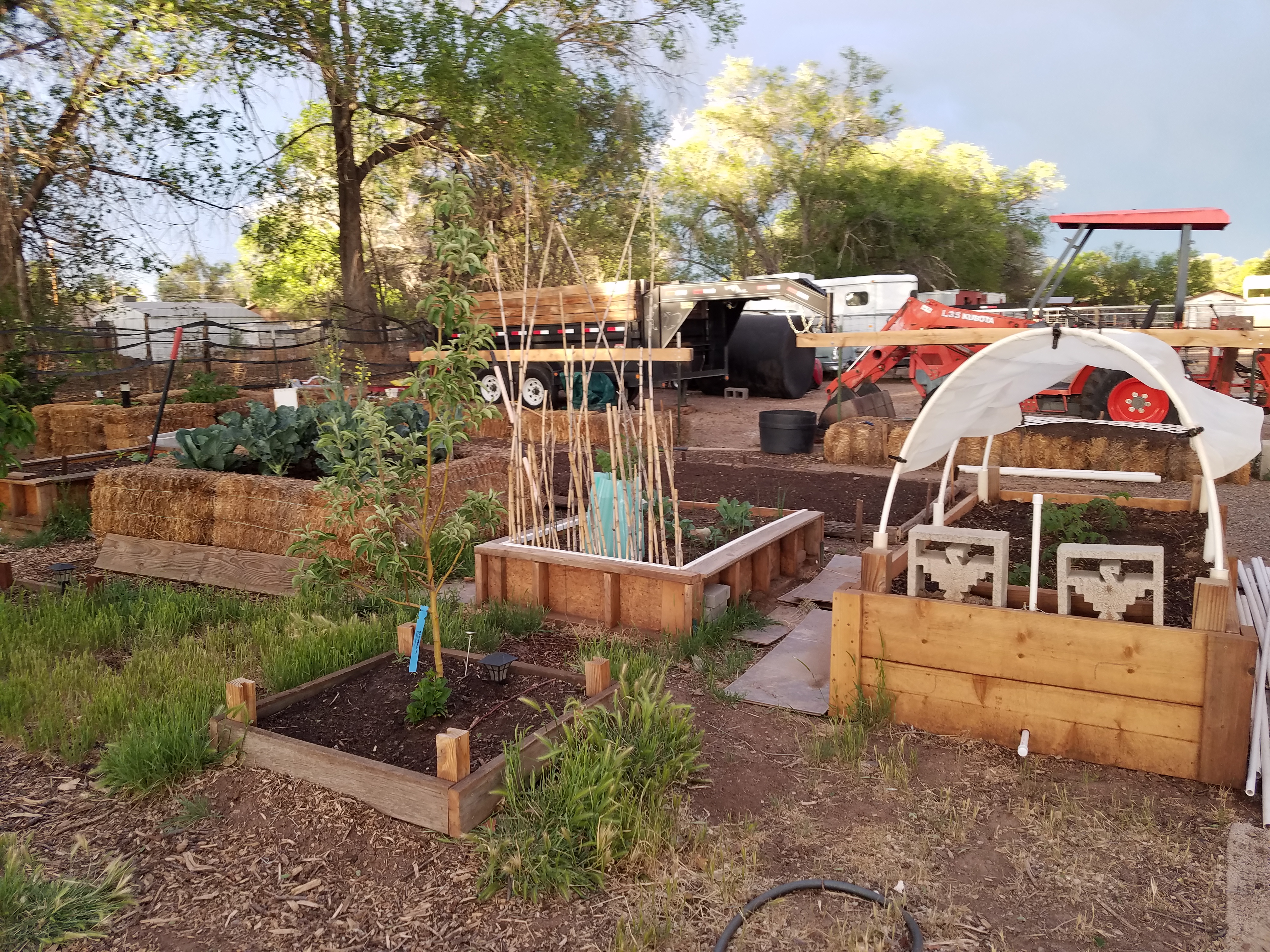
I live just south of the city of Albuquerque, New Mexico on half an acre. This is a convenient halfway point for anyone who longs for a touch of country self-sufficiency but who may have a need to be near a larger population base for some reason.
The property is large enough for me to have a 50×60 vegetable garden, fruit trees, a beehive and chickens. I enjoy organic gardening, canning and otherwise processing the foods I eat to enjoy all year. The problem is that my harvest extends for a long time, but I don’t always have the time to pull down my canner!
Commercial farmers plant large areas and harvest everything at once – at the time they feel their plants have most of the produce at a perfect state of ripeness. Then everything gets trotted off for processing.
In my garden I have 5 varieties of peppers, 2 types of tomatoes, green beans, lima beans, corn, cabbage, potatoes, onions, potatoes, peas, asparagus, broccoli, apples, pears, pecans, cherries, and a lot of herbs. They do not all ripen at once. (thank heaven)
Sometimes I can anticipate when a lot of one thing will be ready, but more often than not things will ripen in stages. It is ridiculous to fire up the pressure canner for just a couple of quart jars! Not to mention that sometimes other personal responsibilities or vacation will supersede the joy of cooking and processing.
There are a few ways you can handle this with your kitchen garden to make it easier and more efficient.
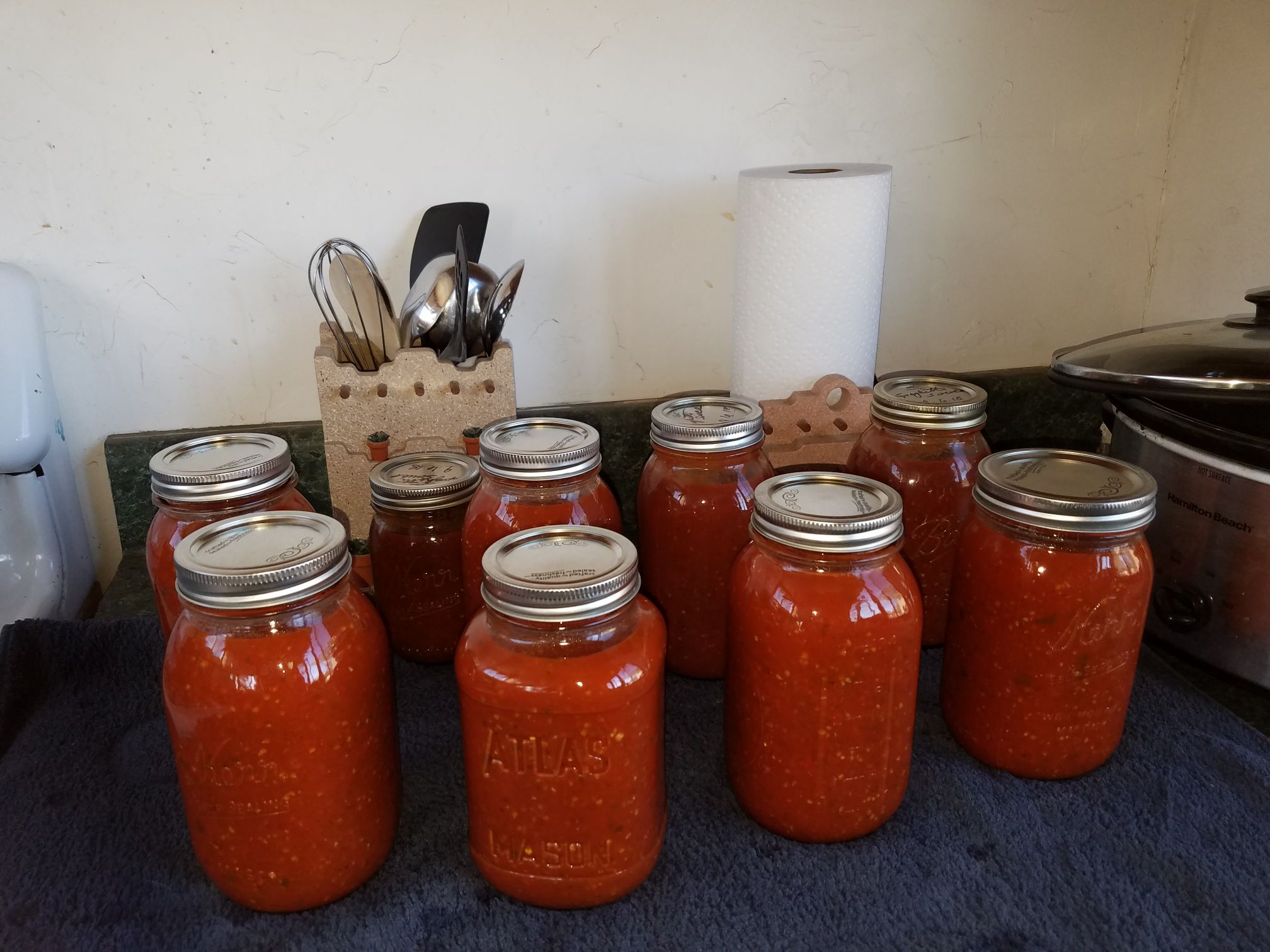
Tomatoes are one of my favorite items to preserve – they are so versatile! Salsas, soups, sauces – YUM! The first luscious red fruits are sparse, but over time they pick up the pace. I plant just a few of the large beefsteak type tomatoes, a couple cherry tomatoes and 7 or 8 thicker paste tomatoes. Though the beefsteak and cherries are primarily for eating fresh, an overabundance of either can be added to the paste tomatoes when canning.
During those times when there are more ripe tomatoes than I have time to process, I will harvest and wash them, frequently cutting them into chunks and removing stems or spots. Then they get put into a gallon sized Ziploc bag and plopped into the freezer.
Freezing at the peak of ripeness is a perfect way to build up enough of them for a good day of cooking and canning later on. I leave the nutritious skins on because tossing them in a food processor pulverizes them beautifully.
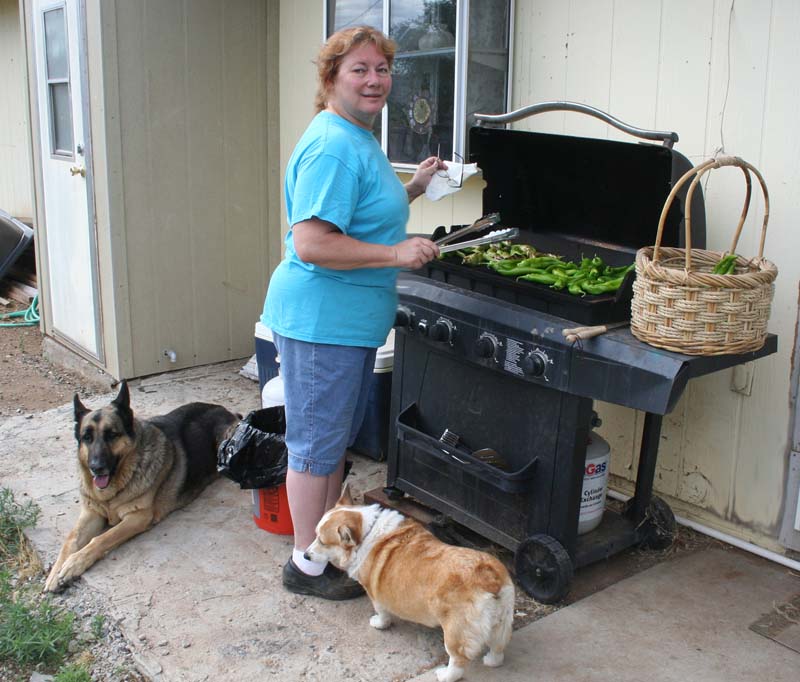 Another vegetable than you can partially process then freeze for future use are green chile peppers. Chiles are normally roasted and skinned before being cooked or canned. If you have a couple hours you can pick the ones you feel are large enough and roast them on your BBQ grill. You want them to puff up and the skins to brown and crack a bit – but don’t blacken them entirely!
You can grill at least a bucket full at a time. First soak the peppers for 1- 3 hours in water, then fire up the grill to high and toss them on. An option to turning them individually by hand is a grilling basket or rotisserie cage which allows you to turn them easier.
Take the roasted peppers and place them in a zip bag or other airtight container while they are still very hot and let them set in a warm place for a few hours or overnight. This is called “sweating” them, which helps separate the meat from the skins. Then plop them in the freezer.
Some people just leave them in the freezer until they wish to use them in cooking. I don’t have enough freezer space to keep everything I harvest there so I process as much as possible by canning. When you are ready to use them or can them you take them from the freezer to a clean kitchen sink. Fill the sink with water and when they thaw out you can begin stripping the skins from the peppers by hand.
Wearing rubber or latex gloves is a VERY good idea as the capsaicin in the peppers will make your hands burn after a while. I usually heavily cream my hands an hour before donning the gloves as an extra precaution.
Once the skins, stems and most of the seeds are removed you can either process them whole, chopped, or make great tasting sauces with them. I get heartburn from bell peppers and poblanos, but I have no problems with pimentos, cayenne or green chile. As a result my homemade spaghetti sauce has a mild bite to it, which southwesterners appreciate!
Like most home farmers I love to pick my ears of corn just as they are fully ripe. If some of them escape my notice they can start to dry out a bit…or sometimes a lot. That’s ok. When I find those I just let them continue to dry out until I am ready to use them. Then I shuck them and cut the kernels off and add them to homemade soups and stews.
If pollination has been spotty the corn cob may be partially bald. Rather than serve them on the cob I will cut the kernels off and freeze them. You can also freeze full cobs, but it takes a lot of freezer space.
Potatoes can be left in the ground long after the tops die back. A mild freeze late in fall won’t usually hurt the ones that have a few inches of dirt over the top. Onions, carrots and garlic can just stay where they are all winter until I want to use them.
Broccoli is planted very early in the year – before the last frost date. It can handle a bit of cold. However it will create one big head per plant which commercial farmers harvest and sent to the store before plowing the rest of the plant under. Personally I think that is very premature! After I’ve harvested (and eaten) the main head I leave the plant in the ground where it will start to send out side shoots. You won’t ever get another great big head, but the little shoots are great in salads and stir fry.
Cabbages are another plant that develop one huge head. However, the leaves around the main head are also edible and can be snipped off at any time for cole slaw, sauerkraut, or cabbage rolls.
In many climates carrots, parsnips, turnips, garlic and onion seed can be planted in the fall just before the first frost. Cover the beds in straw when nighttime freezes begin. You’d be amazed how many of them will be pushing up early next spring and ripe by June.
Of course, if you just have too much food on your hands at any given time, neighbors and local foodbanks will thank you for it. Giving away your extras makes a lot of friends!
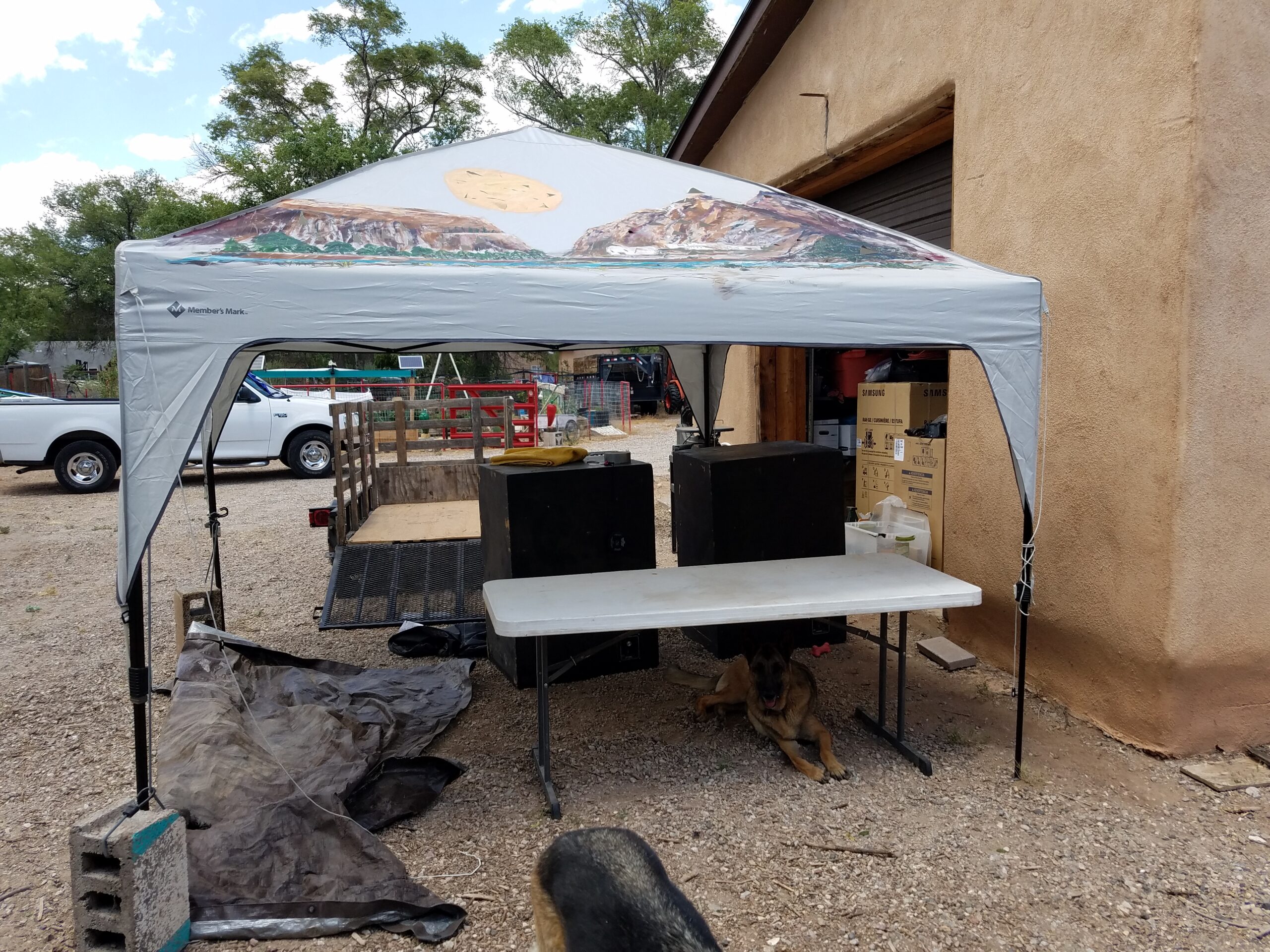
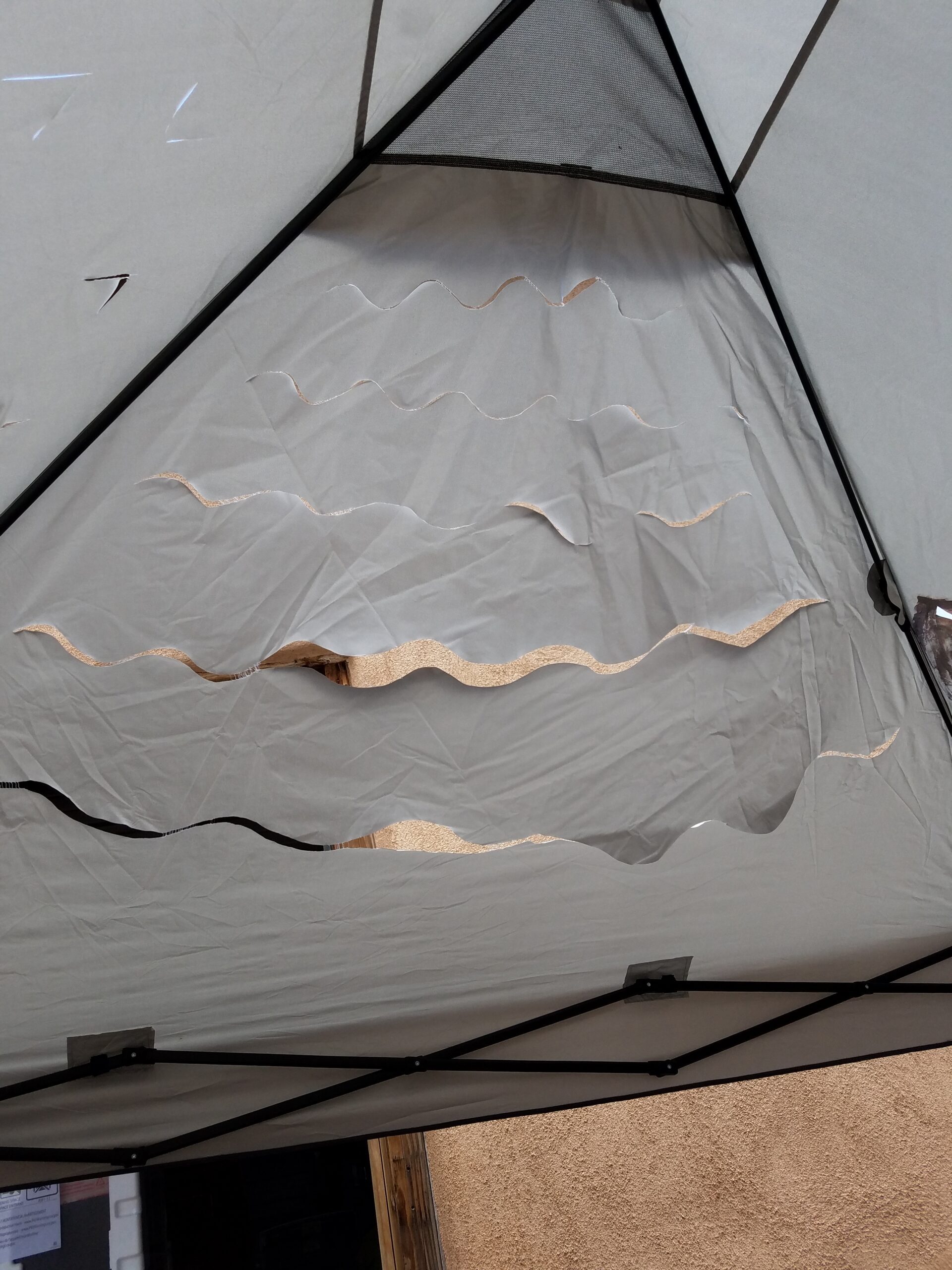 Another modification that significantly lessens winds ability to pull the structure. Set it up and using a very sharp knife, make some V shaped or wave shaped slits in the fabric roof. My daughter and I carved several different patterns into one of our structures and they work very well. Also, in order to “hide” the modifications, we used acrylic paint to create a nice mountain picture on the outside of the roof.
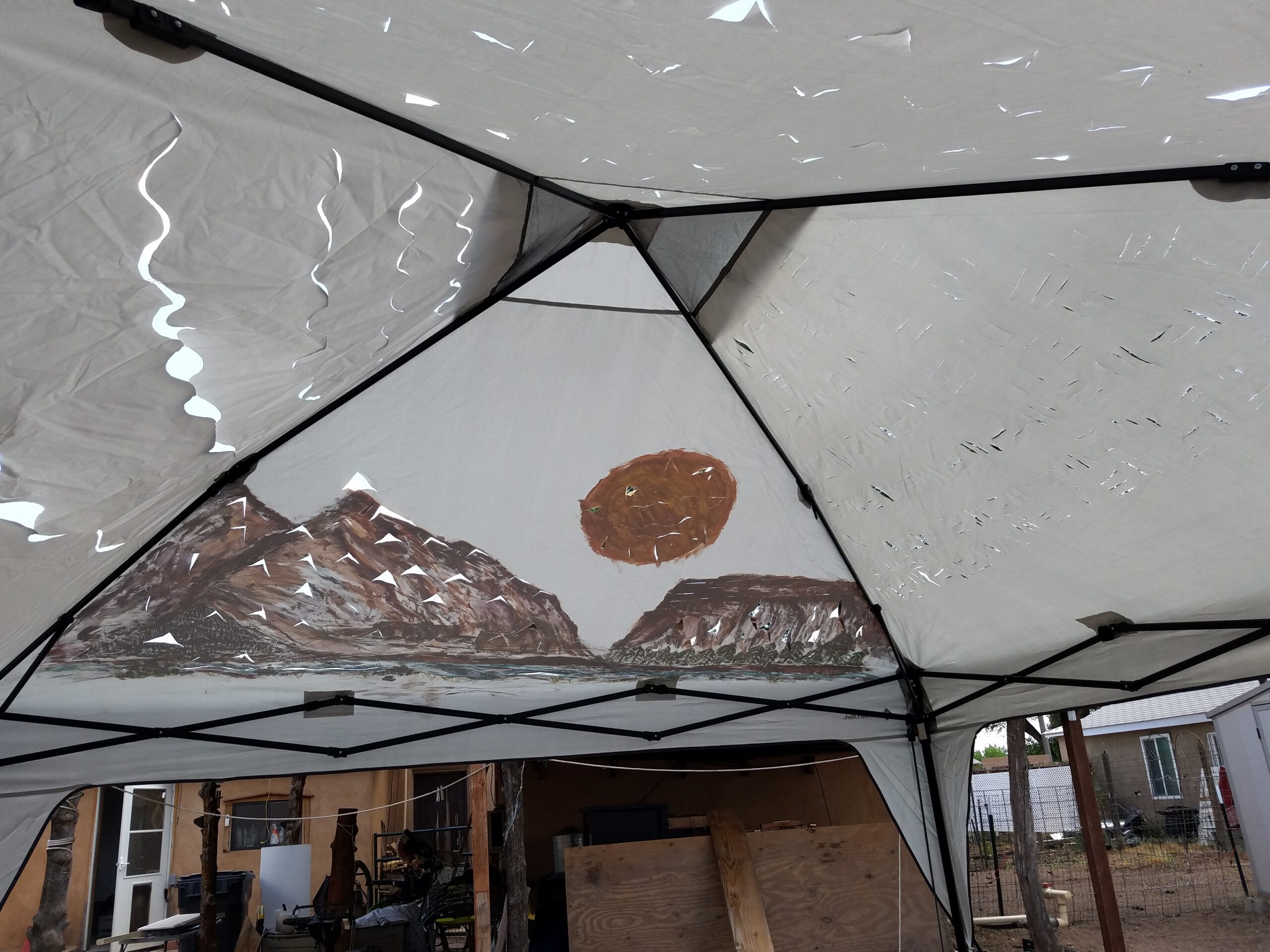 The next time I set up to do some solar cooking demonstrations my structure withstood the afternoon winds significantly better than the others in the area. While neighbors grabbed for the anchor posts frequently, the wind fluttered through and escaped through the venting. We don’t often have to worry about heavy rain here, and the structure will still tolerate a mild rain without soaking people and items inside.
 Are you a writer who wants to make money with your craft?
 A restaurant near me serves their beverages in sturdy plastic cups with strong lids and straws that frequently survive an unexpected drop on the ground. These are the kind of cups you really want to keep around! They used to refill these large cups for less than a dollar until Covid restrictions stopped that practice. I have dozens squirreled away which I use at home whenever I plan to work out in the hot sun for a few hours. They make great travel cups.
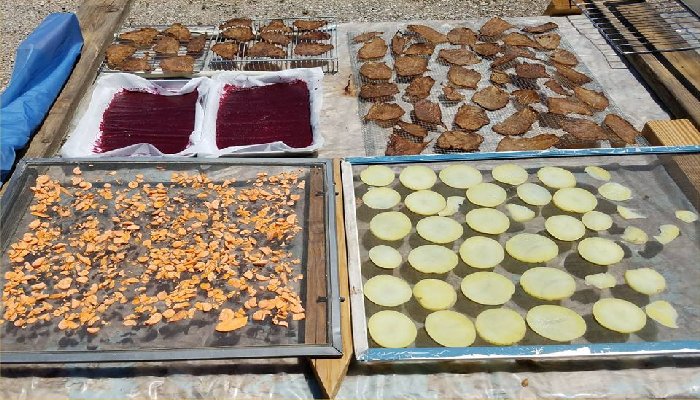
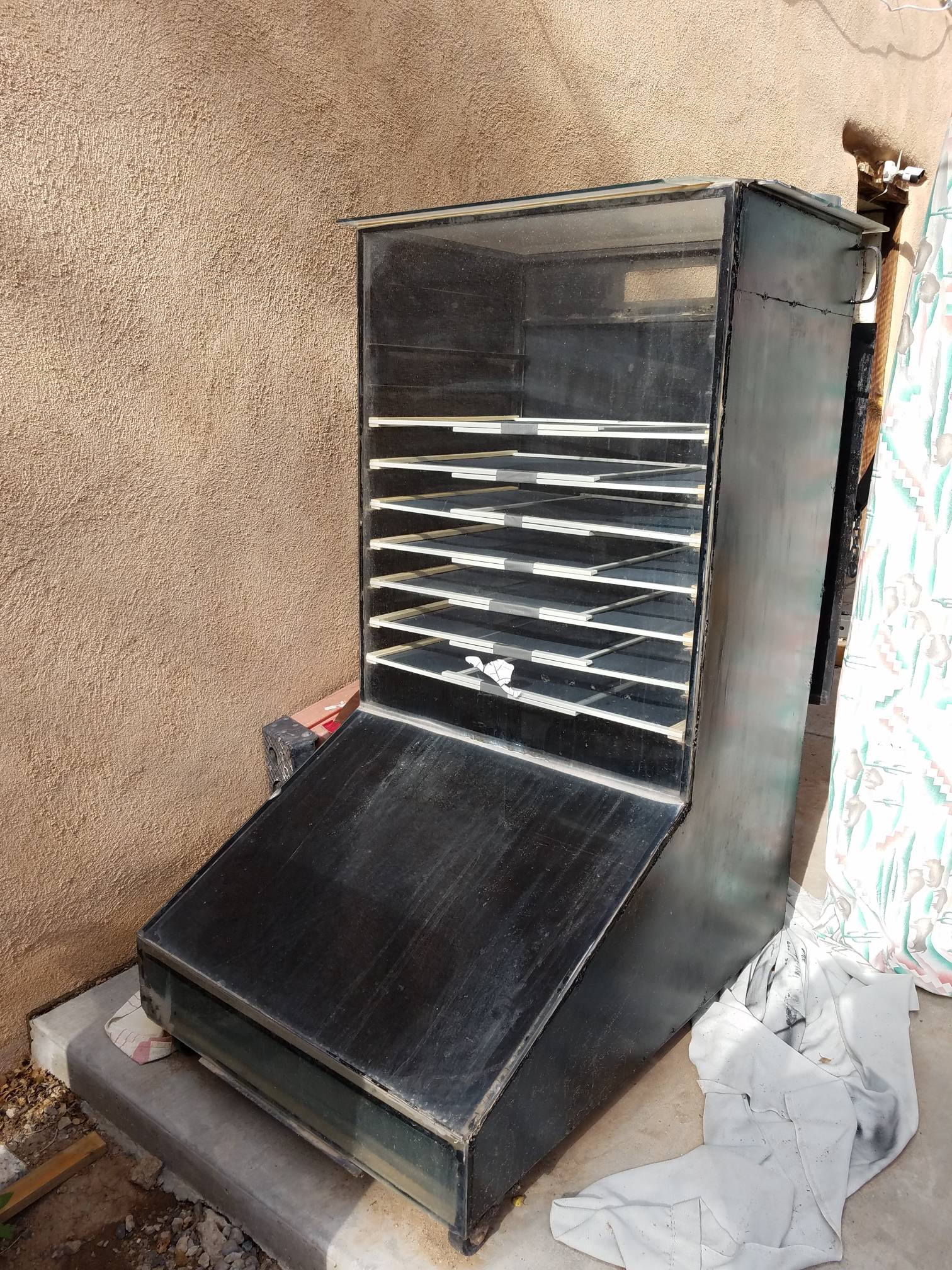 For centuries humans have dried their foods in order to preserve and use them during the winter months. The knowledge of our ancestors combined with today’s research has given us safe and yet creative methods of continuing this long tradition.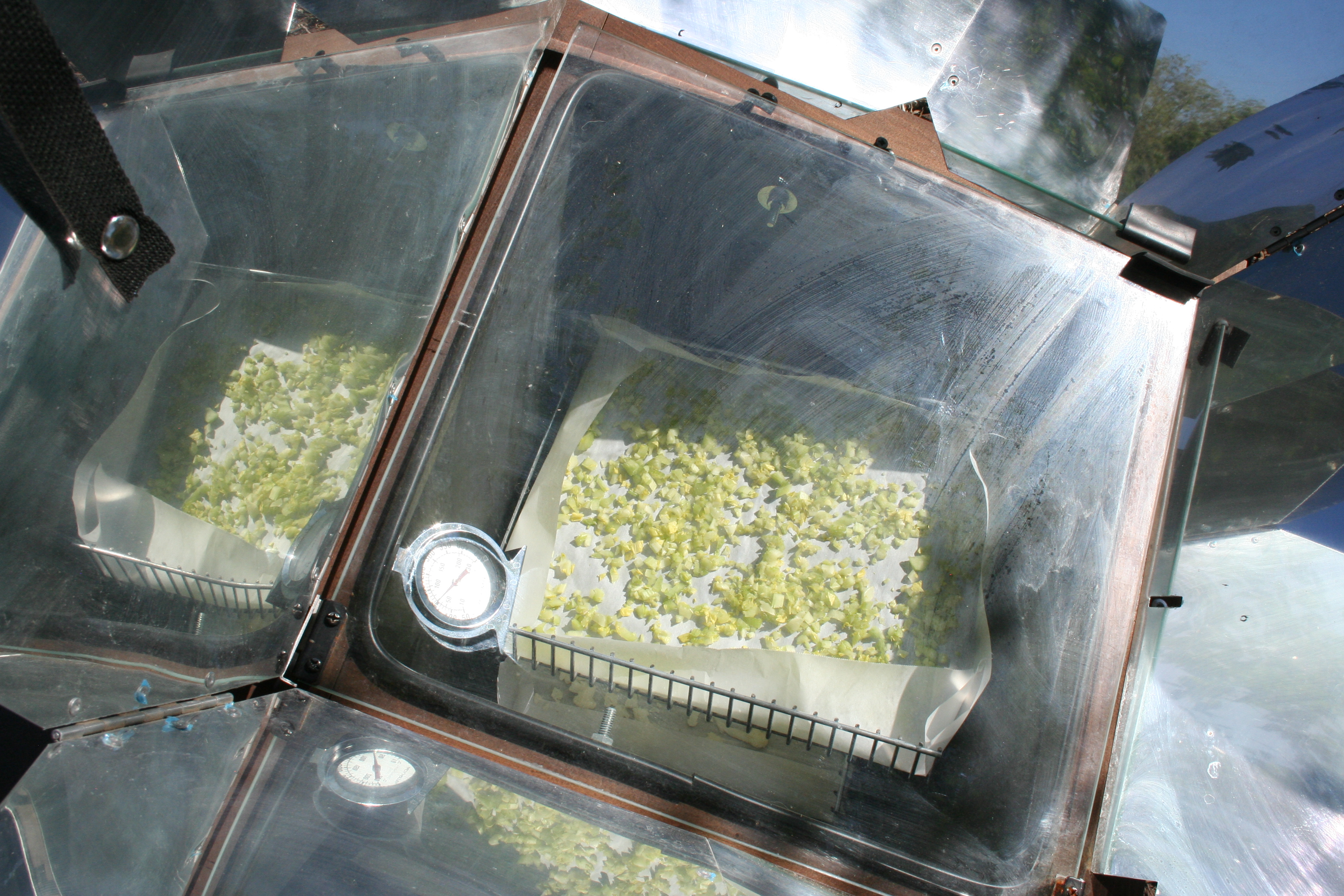
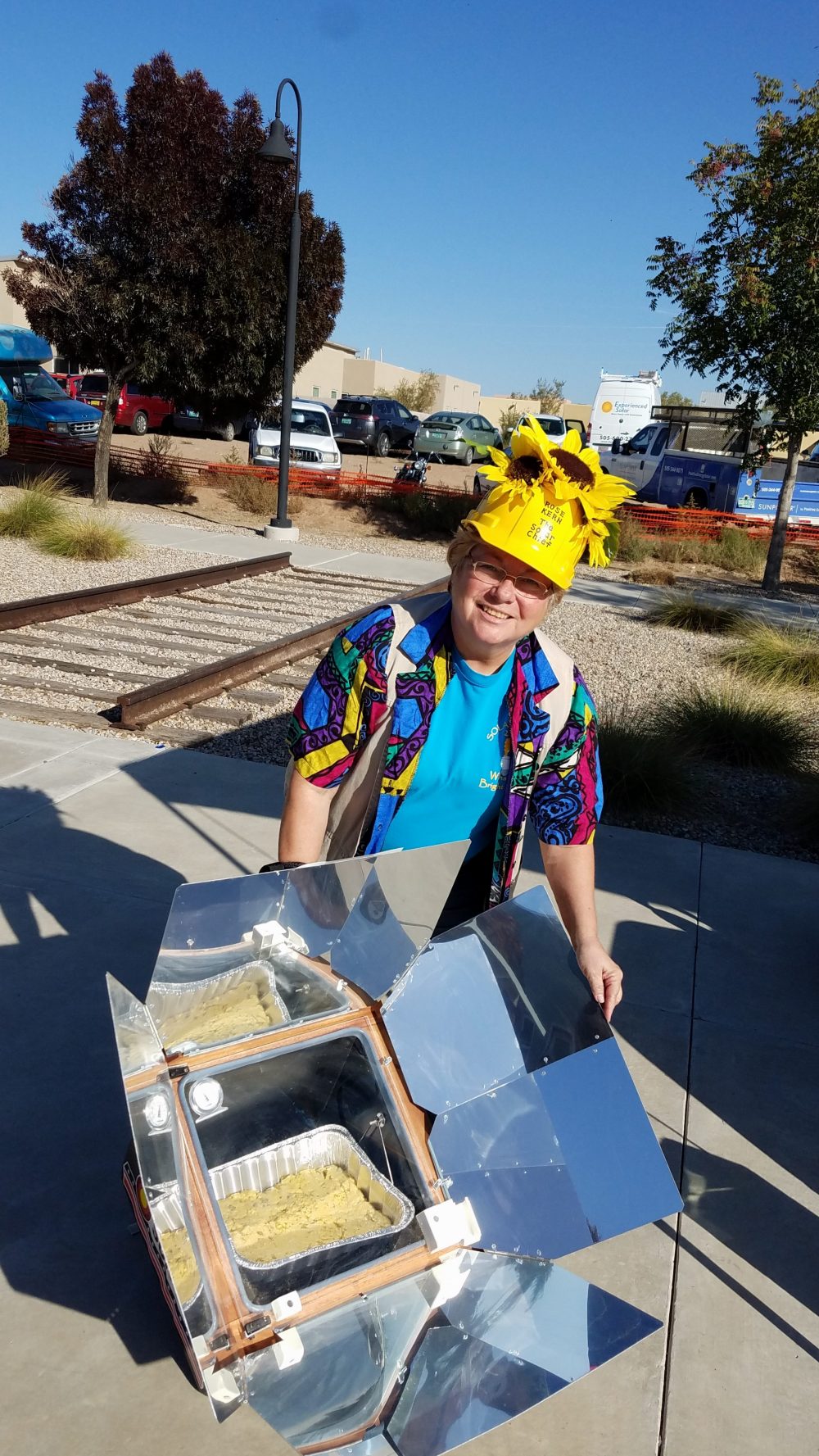
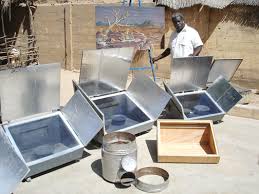 A simple solar oven is made from lining a shoebox with aluminum. Paint the outside of a quart canning jar Black. You can put hotdogs or water or anything that needs warmed inside the jar. Place the jar inside the box and tilt it towards the sun. On a sunny day it should only take 15 to 20 minutes for it to be ready. There are many plans for building oven sized solar cookers from cardboard or wood, and there are several kinds of solar cookers that are considered to be serious appliances.
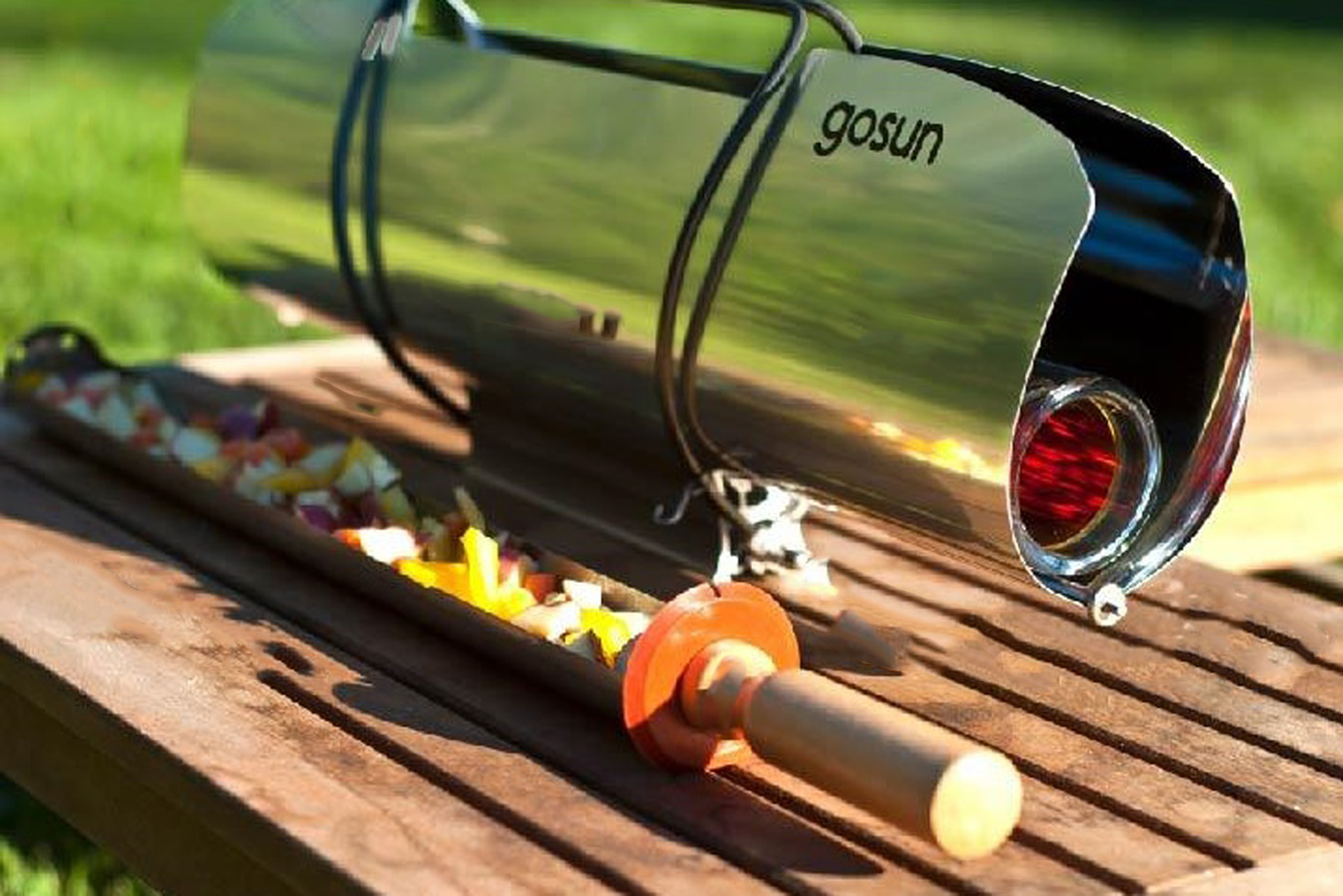 A recent innovation in solar cooking is the solar tube cooker. A long metal trough in which you place meats or vegetables slides into an evacuated glass tube. The tube is held in a shiny metal sleeve which catches the sun and focuses it on the tube. Temperatures can exceed 400 degrees allowing foods to be fried or baked. The GOSUN company makes these in several sizes. Some are small and portable, others are larger and made to be set on a table.
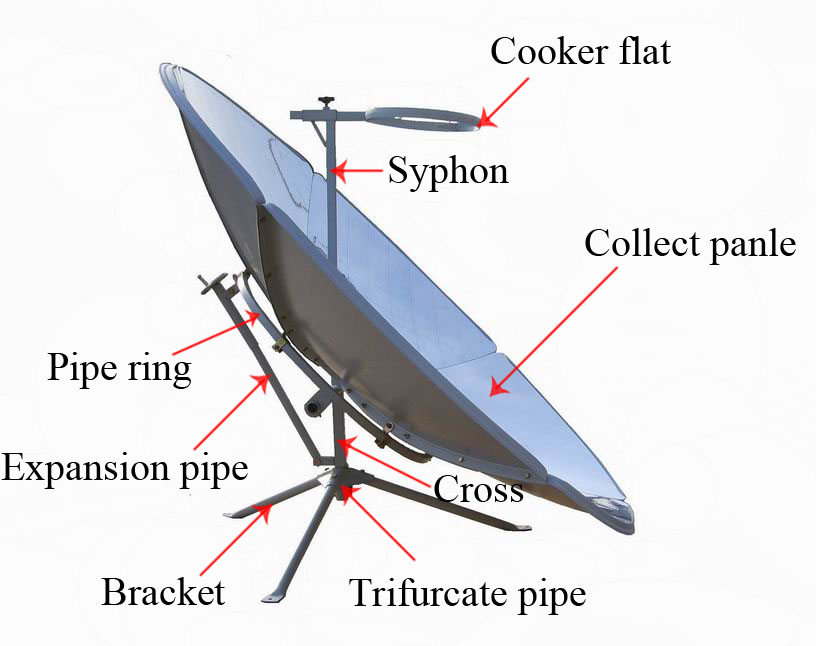 There are also several parabolic cookers on the market—or made by innovative individuals from a multitude of materials. They boast curved surfaces which reflect light toward a pot suspended at the point where the light is focused. These can achieve higher temperature, and are very good for frying. These are not as easily portable as the box cookers, but can quickly boil your morning coffee!
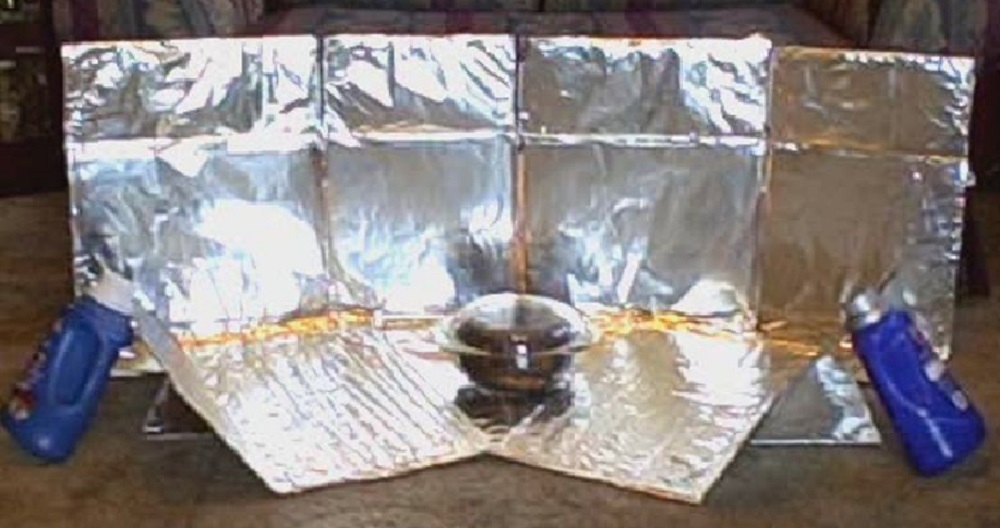 Another difference is the source of heat. A standard oven’s heat is generated at the bottom of the oven. The Solar Oven fully surrounds the food, which is why you do not end up with food that is burned on the bottom. The disadvantages of a solar oven is that it takes more time and is weather dependent. But this means that the slow cooking enhances the flavors. There is also the fact that it’s just plain fun and the food tastes wonderful.
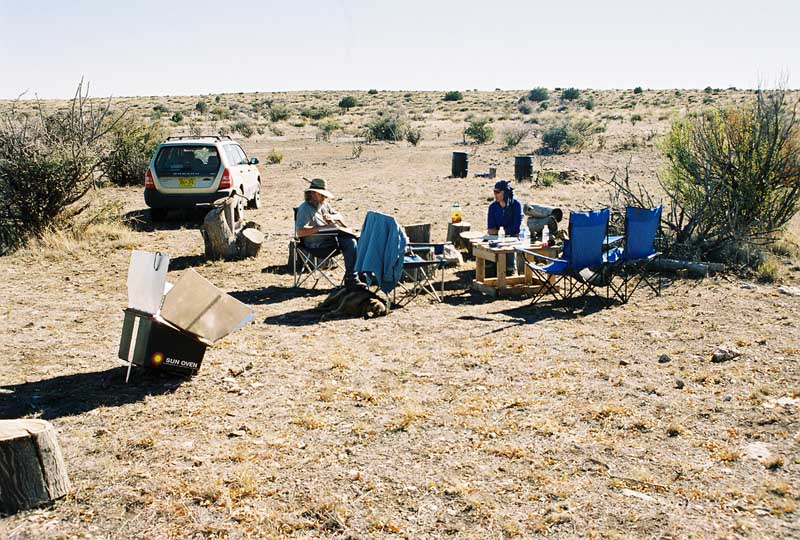 Sun ovens can go anywhere. One hot august day I was camping in the mountains of northwestern New Mexico. The danger of fire was high and no one was allowed to start fires or even use a propane stove. Around noon I set my sun oven up with a pot full of rice, beans and veggies. As the aroma drifted through the campground I saw a forest ranger wandering around to ensure the rules were being obeyed. He followed his nose to my campsite. He saw the solar oven and with a grin, just shook his head. Of course, I invited him to stay for dinner.
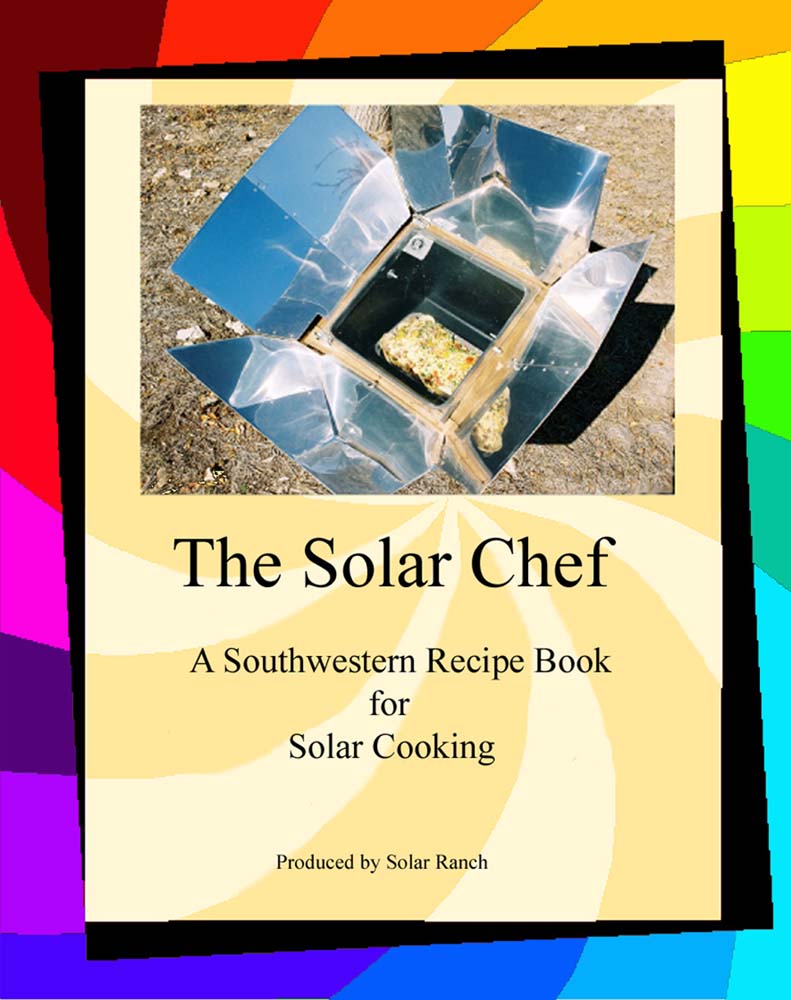 Whether you bake chocolate chip cookies, meatloaf, cakes, roasts, snacks, pizza, or just about anything else, the flavor of anything solar cooked is enhanced. It is as though the touch of the sun adds an extra blessing to your meals!